Feb 8 • AFK study plan

🧠 High-Yield Pharmacology Tips for Dentists Preparing for the AFK Exam

Focused Review Based on Real AFK-Style Questions

If you are a dentist preparing for the AFK (Assessment of Fundamental Knowledge) exam It is part of the Canadian Dental Equivalency Process (NDEB), pharmacology can feel overwhelming — especially when questions mix clinical judgment, updated guidelines, and drug mechanisms.

This article breaks down high-yield pharmacology concepts based on recent AFK-style questions, using visual flow diagrams and exam traps to help you study smarter, not harder.

👉 Focus topics covered here:
✅ Antibiotic prophylaxis for infective endocarditis
✅ NSAIDs and absolute contraindications
✅ DOAC anticoagulants and reversal agents
✅ Warfarin and clotting factor kinetics
✅ Anaerobic bacterial coverage

🔑 Antibiotic Prophylaxis for Infective Endocarditis (AFK Red Flag)
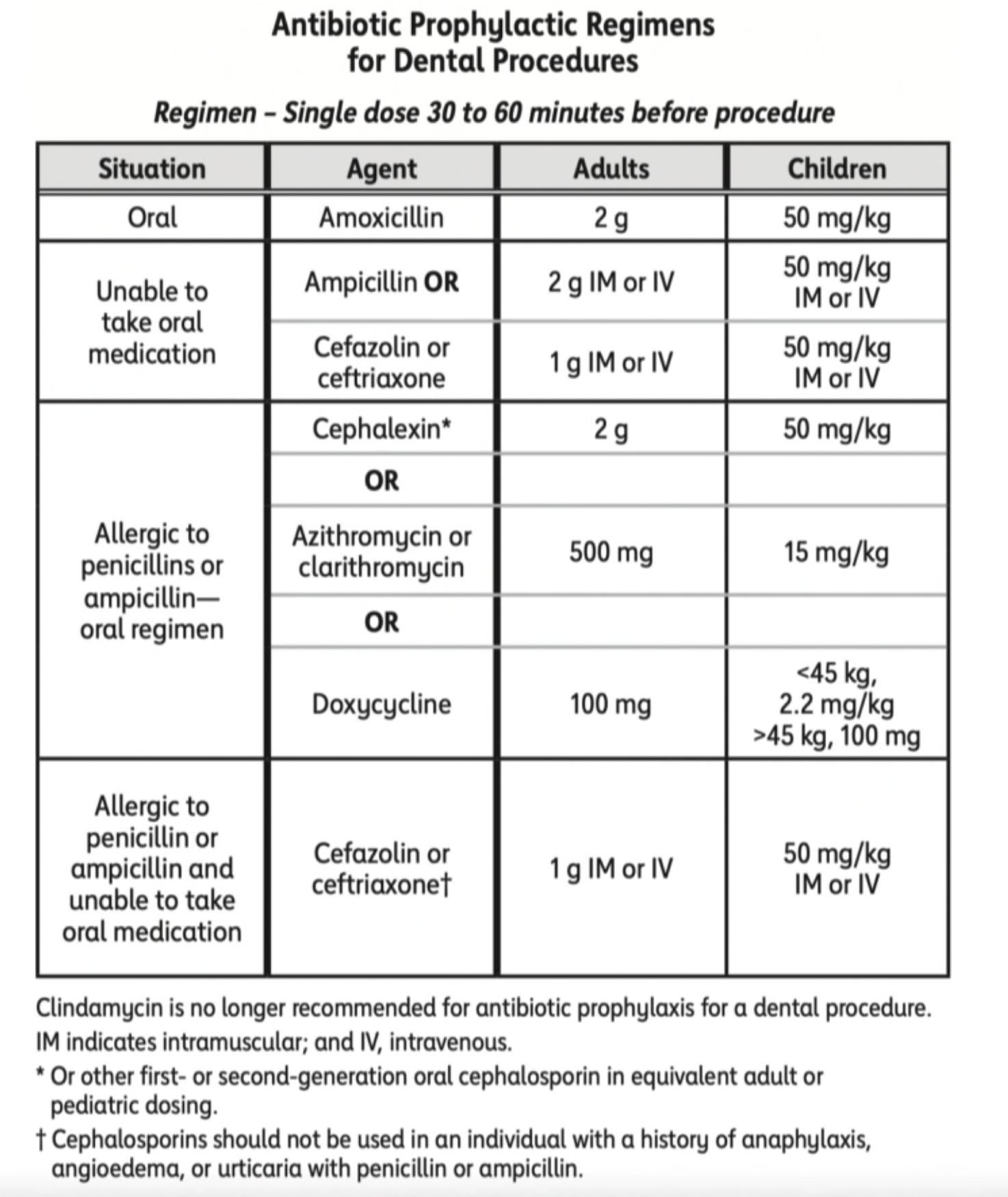
One of the most commonly tested AFK pharmacology topics is infective endocarditis (IE) prophylaxis, especially recent guideline updates.

High-risk cardiac condition 

Invasive dental procedure

Antibiotic prophylaxis REQUIRED

🔷 Why this matters
AFK frequently tests who needs prophylaxis and who does not. Many candidates lose marks by over-prescribing.
🔹 Know the core rule
Only high-risk cardiac conditions require antibiotic prophylaxis for dental procedures involving gingival manipulation.
🔹 High-risk patients (memorize)
• Prosthetic heart valves
• Previous infective endocarditis
• Certain congenital heart diseases
• Cardiac transplant with valvulopathy
🔺 AFK trap
Mitral valve prolapse, rheumatic heart disease, and coronary stents do NOT require prophylaxis.

📌 AFK exam tip:
If the question mentions recent amoxicillin use, always switch antibiotic class. Repeating amoxicillin is incorrect within the first 10 days.
Write your awesome label here.

Would you like to study smart not hard? 
Join the full course today

Unique learning paths
  • By engaging with our interactive platform, you will not only enhance your knowledge but also develop the resilience to handle any stress that comes your way
  • Not only that, but we also offer authentic exam-grade questions that are backed by evidence-based, fully explained answers.
  • Additionally, we offer MOCK exams to ensure that you are fully prepared for the real AFK exam. Join us now and unlock your true potential!

💊 NSAIDs and Absolute Contraindications
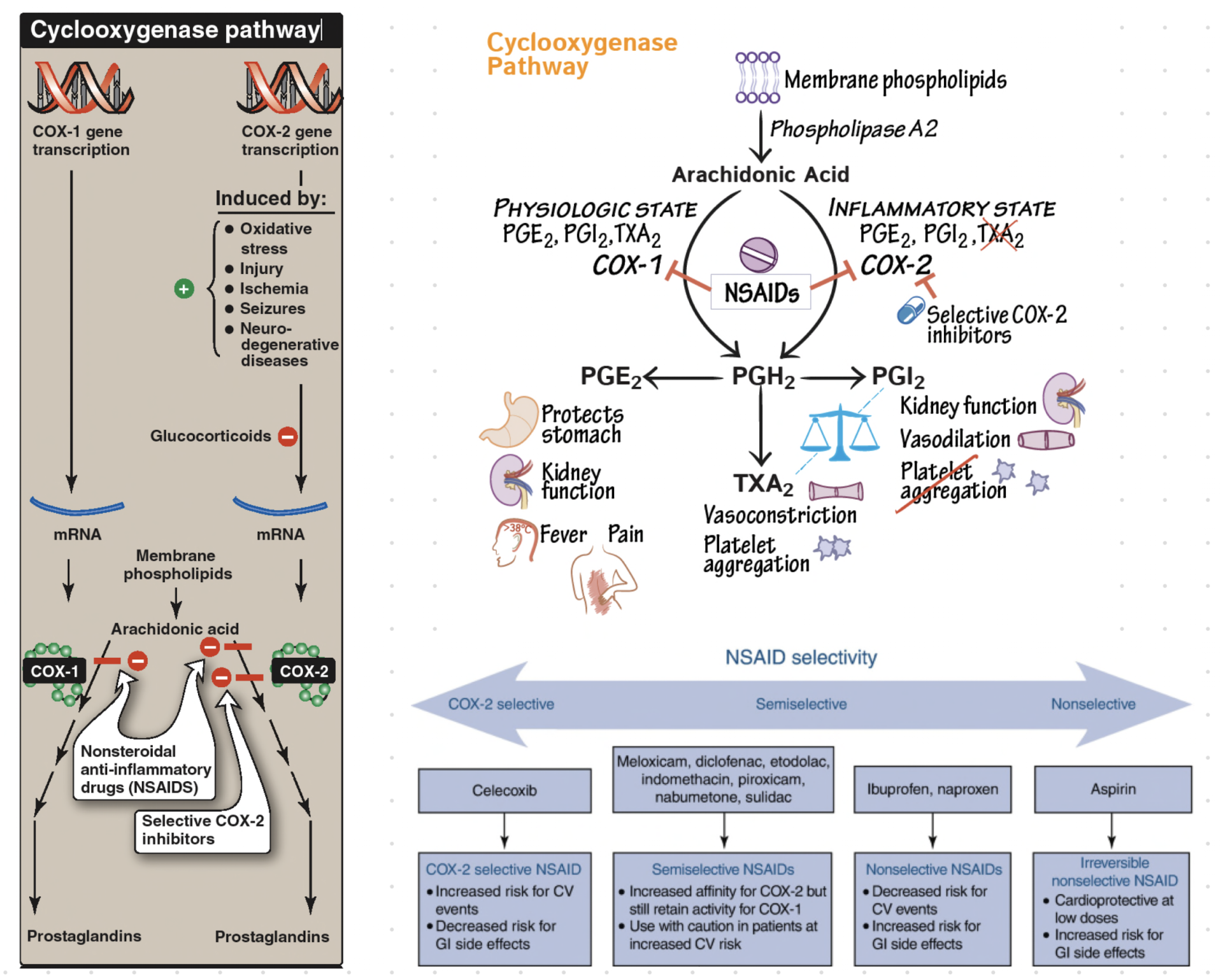
AFK examiners love testing absolute vs relative contraindications, especially with NSAIDS.
🔴 Absolute contraindications
• Active peptic ulcer disease
• Severe renal failure
• NSAID-induced asthma
• Third trimester of pregnancy
🟡 Relative contraindications
• Hypertension
• Heart failure
• Elderly patients
🔺 AFK trap
Patients on anticoagulants → bleeding risk increases but not an absolute contraindication
🔹 Study focus
Always connect NSAIDs to:
• COX inhibition
• ↓ Prostaglandins
• Loss of gastric & renal protection
🧠 AFK takeaway:
Controlled hypertension → ⚠️ caution
Mild renal impairment → ⚠️ caution
Active peptic ulcer disease → NEVER

🩸 DOAC Anticoagulants and Reversal Agents
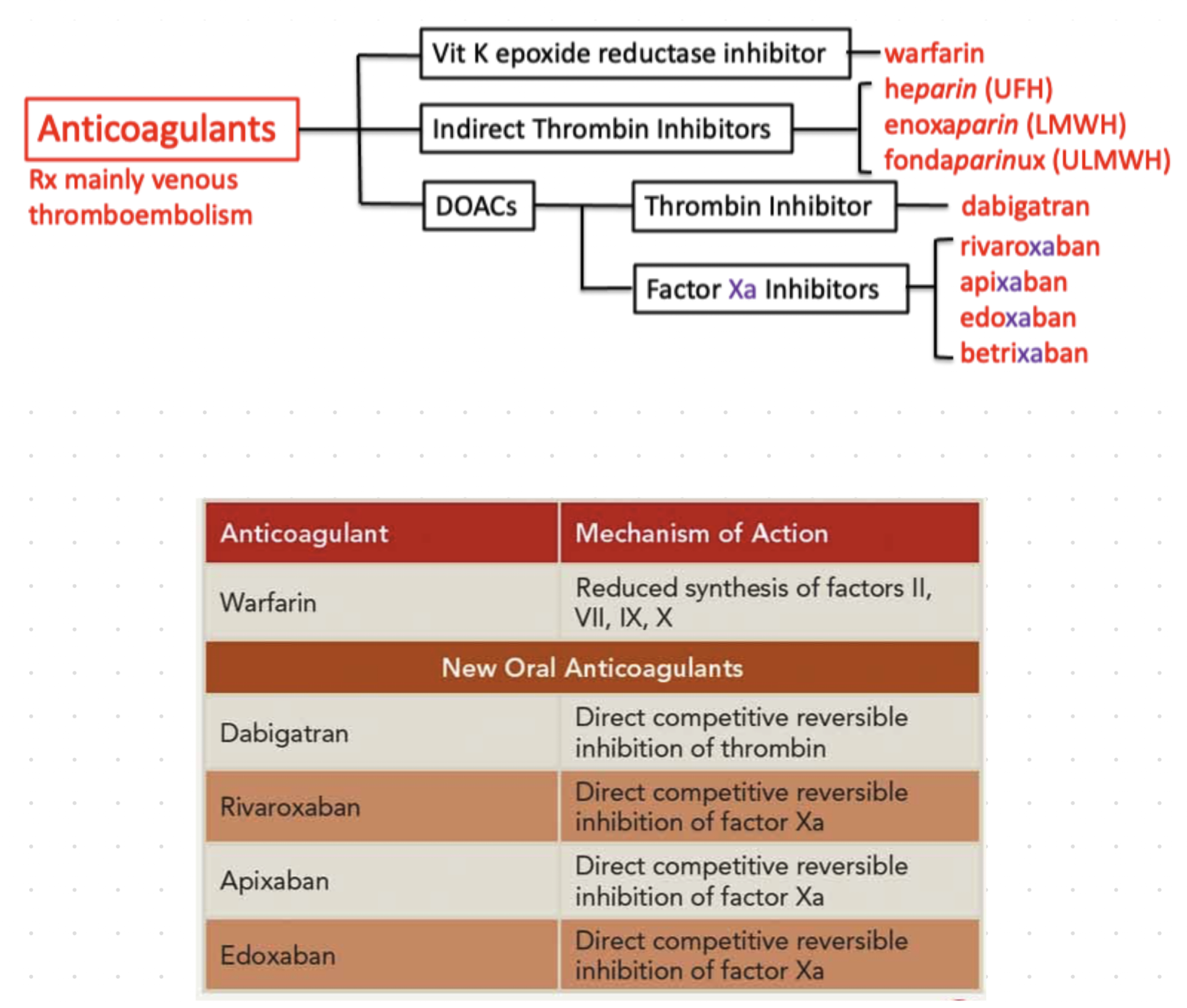
Questions about bleeding after dental extraction are common in the AFK exam.
🔹 Common DOACs
• Dabigatran
• Apixaban
• Rivaroxaban
🔹 Key concept
DOACs have:
• Short half-life
• Predictable effect
• No routine INR monitoring
🔴 Reversal agents (high yield)
• Dabigatran → Idarucizumab
• Factor Xa inhibitors → Andexanet alfa
🔺 AFK trap
Vitamin K does NOT reverse DOACs
🔹 Dental mindset
Minor dental procedures usually do not require stopping DOACs

⏱️ Warfarin and Clotting Factor Kinetics
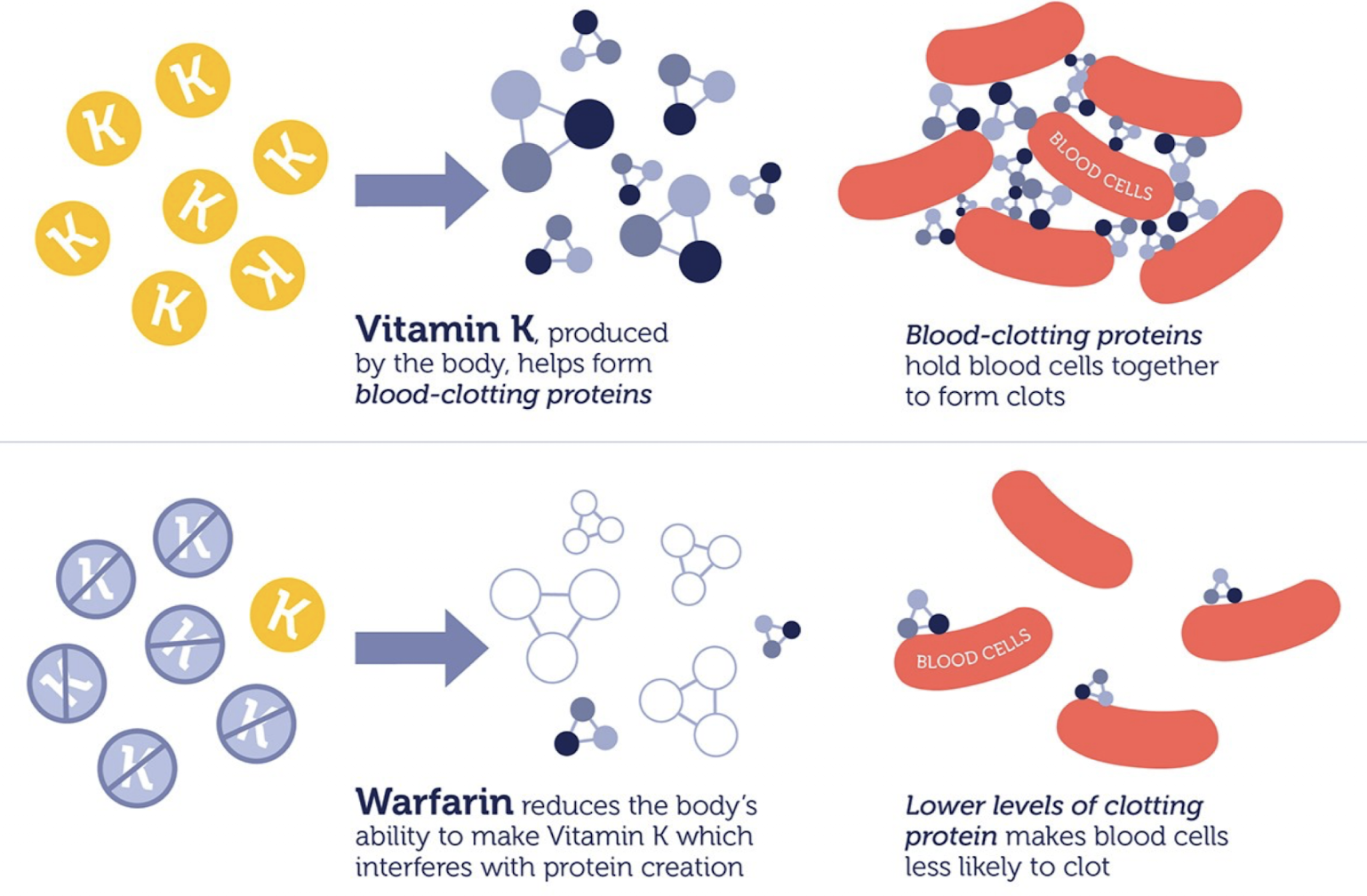
AFK tests timing, not just mechanism.
🔹 Core mechanism
Warfarin inhibits synthesis of:
• Factors II, VII, IX, X
• Proteins C and S
🔺 Critical exam concept
Protein C drops first → temporary hypercoagulable state
🔹 Clinical implication
INR should be checked with 24 hours for both minor/invasive or major surgeries
🔴 Monitoring
If INR is between 1- 3.5 Proceed with the treatment. Consult the M. D
If INR is more than 3.5→ Ask the physician to lower the INR
🔹 AFK tip
If question mentions “early warfarin therapy” → think Protein C deficiency

Free Resources to Support Your Preparation 🎥📚🆓

We believe that every candidate should have access to high-quality learning materials, which is why we offer free resources to support your preparation for the AFK exam! 🌟🎯📖

Interactive Videos: Our expertly crafted videos explain key topics in an engaging, easy-to-understand format, helping you grasp essential concepts more effectively.

Question Bank with Detailed Answers: Practice with real exam-style questions and receive comprehensive explanations to strengthen your understanding and improve your problem-solving skills.

One-on-One Consultation: Need a study plan tailored to your unique needs? We offer personalized 1-on-1 sessions, where we assess your situation and learning preferences to recommend the best study strategies for your success. 🤝📈📅

These resources are designed to empower you with the knowledge and confidence needed to excel in the equivalency process. Take advantage of them and set yourself up for success! 🚀📚💡

🦠 Anaerobic Bacterial Coverage

Dental infections are typically polymicrobial, involving a synergistic mix of facultative and strict anaerobes that thrive in oxygen-poor environments created by initial aerobic activity.
🔹 High-yield anaerobic coverage
• Metronidazole
• Clindamycin
• Amoxicillin-clavulanate
🔴 Classic AFK association
Anaerobes usually associated with:
• Periodontal infections
• Periapical abscesses
• Osteomyelitis of the jaw
🔺 AFK trap
Macrolides and fluoroquinolones have limited anaerobic coverage
🦠 Predominant Anaerobes:
Frequently isolated species include Prevotella, Fusobacterium, Porphyromonas, Peptostreptococcus, and anaerobic cocci.
🦠 Facultative Players: 
Viridans group streptococci are common facultative anaerobes involved in early stages. 

Latest from our blog

✅ Takeaway & 📌 Study Tip

🔹 Focus on indications and exclusions

Not long drug lists

🔹 Learn one prototype drug per category

Make the generic name the way to start

🔹 Practice MCQs with clinical framing

Practise makes perfect